
How We Evaluate
Selection Criteria for Natural Supplements
In a rapidly growing market, the difference between a high-quality extract and a low-grade filler can be the difference between reaching your wellness goals and wasting your time. At Manfaat Pria, we use a rigorous set of criteria to evaluate the information and products we discuss. This page outlines our methodology — the standards you should expect from any natural supplement you choose to incorporate into your life.
§ The Eight Standards
Eight lenses we use to separate substance from filler
Every product and ingredient we discuss is examined through the same set of checks. Some criteria relate to the raw plant material itself — where it grew, how it was harvested, whether the active compounds survived processing. Others concern the manufacturer's transparency: whether the label tells the full story, whether an independent lab has verified the contents, and whether the facility follows established quality standards. Together, these eight standards form a practical framework for evaluating supplement quality and safety.
Focus
Ingredient quality
Scope
Sourcing to label
Basis
Verification
Criterion 01
Purity and sourcing of raw materials
Quality begins at the source. A supplement is only as reliable as the raw material that entered the production line, and that material is shaped by soil conditions, harvest timing, and post-harvest handling. We look for ingredients harvested at the peak of their potency — when the concentration of active compounds is at its highest — and processed in ways that preserve those compounds rather than degrading them through excessive heat or chemical solvents.
This includes verifying whether plants are cultivated without harmful pesticide residues and whether minerals are drawn from clean environments free from industrial runoff. Knowing where an ingredient comes from — the region, the growing method, the handling protocol — is the first step in ensuring it is safe for daily consumption over weeks and months.
When a brand can name its supplier region and describe its harvest practices, that traceability signals accountability. When sourcing information is absent, the product may still be acceptable, but the burden of verification shifts entirely to downstream testing.

Traceability · Harvest integrity
Criterion 02
Bioavailability and chemical form
A vitamin is only useful if your body can absorb it. Two products may list the same nutrient on their labels, but the chemical form of that nutrient determines how much actually enters your bloodstream and reaches the cells that need it. We prioritize supplement forms with demonstrated high bioavailability — chelated minerals, liposomal vitamins, and active coenzyme forms — over cheaper alternatives that may sound identical on a label but behave very differently in the body.
For example, zinc picolinate is generally better absorbed than zinc sulfate. Magnesium glycinate tends to be gentler on the digestive system and more efficiently utilized than magnesium oxide. These distinctions are not minor: choosing the right form can mean the difference between a supplement that supports your wellness goals and one that simply passes through unused.
We explain these nuances in plain language so you can choose products that deliver real value at the cellular level, avoiding forms that look correct on paper but offer little practical benefit.
Form comparison
Zinc picolinate
Chelated form · Higher absorption rate · Better cellular uptake
Zinc sulfate
Inorganic salt · Lower absorption · Often used in low-cost products
Magnesium glycinate
Amino acid chelate · Gentle on digestion · Well utilized by the body
Magnesium oxide
Common in cheap formats · Low absorption rate · Often passes unused

Criterion 03
Standardized herbal extracts
For herbal supplements, standardization is the difference between a predictable product and a guess. A simple root powder can vary wildly in its concentration of active compounds depending on the soil, the rainfall during that growing season, the time of harvest, and the drying method used. Two batches of the same herb can deliver strikingly different amounts of the compounds you actually want.
Standardization addresses this problem by concentrating the active compounds to a specific, declared percentage. We look for extracts standardized to a verified marker compound — for example, ashwagandha extract standardized to 5% withanolides. This ensures consistency in every dose, allowing you to predict and manage the effects of the supplement more accurately.
Without standardization, there is no reliable way to know whether you are getting a meaningful amount of the active constituent or largely inert plant fiber. A standardized extract declares its potency on the label, which lets you compare products on equal terms and track your intake with confidence.
Criterion 04
Third-party testing and verification
Trust is earned through transparency, and in the supplement industry, transparency means independent verification. A manufacturer's own quality checks, while necessary, are not sufficient evidence on their own. We advocate for products that undergo third-party testing — analysis performed by laboratories with no financial stake in the product's outcome — to verify label claims and screen for contaminants like heavy metals, mold, and harmful microbes.
Independent verification matters because it closes the gap between what a label promises and what the container actually holds. Certifications from independent organizations provide an extra layer of security: they confirm that a product contains what it claims, in the declared amounts, and nothing it should not.
We help you identify recognized seals of approval and explain what each one covers. A certification mark on a label is only meaningful if you understand what was tested and what standard was applied — and a brand that invests in third-party testing is signaling that it is willing to be held accountable by outside experts.
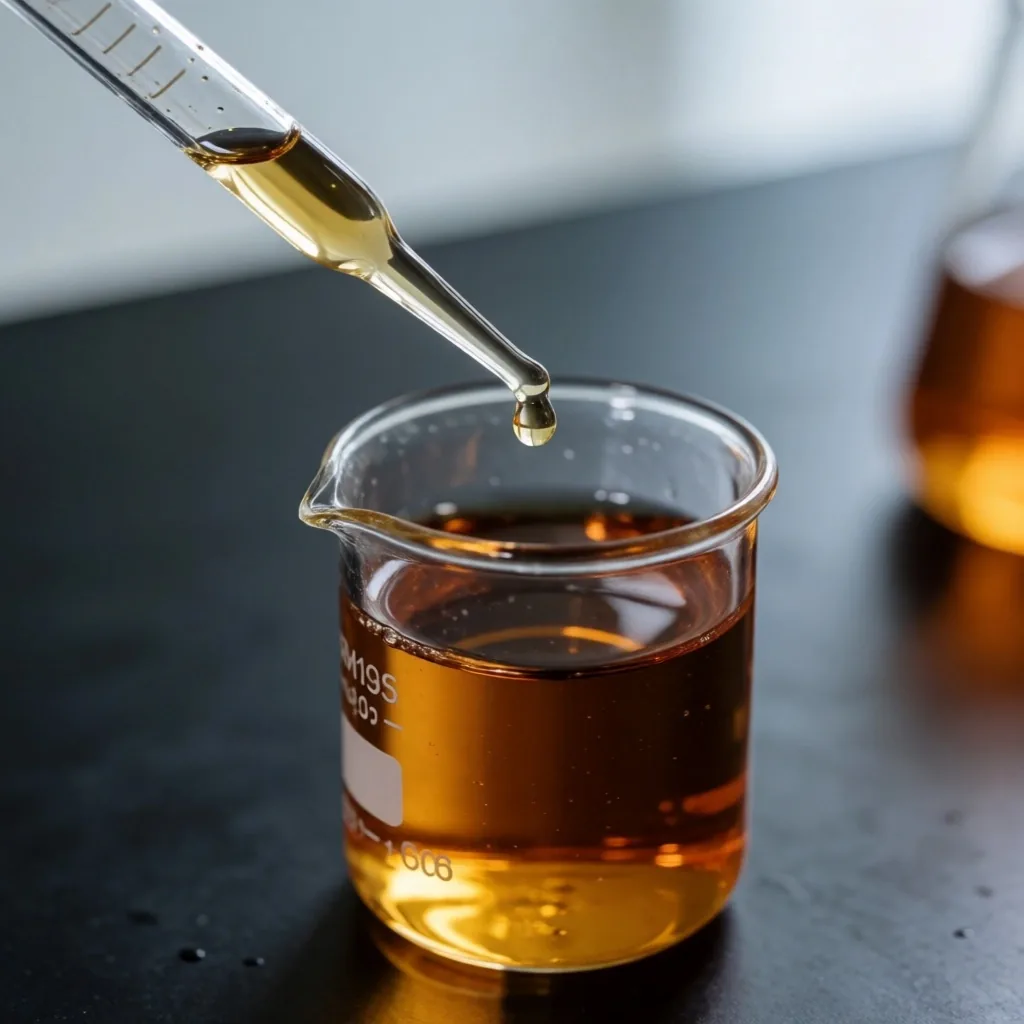
Independent analysis — not a label claim.
Criterion 05
Transparency in labeling
A high-quality supplement should have nothing to hide. We favor brands that provide full disclosure of every ingredient — not only the active compounds but also the "other ingredients" listed in small print: binders, fillers, flow agents, capsules, and coatings. These components are not necessarily harmful, but you have a right to know what you are consuming.
We teach you how to spot additives that may be worth questioning: artificial colors that serve no nutritional purpose, excessive flow agents like magnesium stearate added purely for manufacturing speed, or preservatives that extend shelf life at the cost of ingredient simplicity.
Clear, honest labeling is the hallmark of a company that respects its customers' health and intelligence. A brand that lists every component — including the ones it could legally omit — is telling you that it stands behind its formulation and wants you to make an informed choice.
Criterion 06
Manufacturing practices
The environment in which a supplement is produced matters as much as the ingredients themselves. A pristine raw material processed in a facility with poor hygiene controls can end up contaminated, inconsistent, or mislabeled. We look for products made in facilities that follow established Good Manufacturing Practices (GMP).
GMP guidelines require that products are consistently produced and controlled according to documented quality standards. They cover everything from equipment cleaning protocols and raw material inspection to batch record-keeping and staff training. These practices reduce the risk of cross-contamination between batches and help ensure that the final product matches the formulation intended by the researchers.
A GMP-compliant facility cannot guarantee perfection, but it establishes a documented system of accountability — one where deviations are caught, recorded, and corrected rather than ignored.
Criterion 07
Evidence-based formulations
While we focus on natural wellness, we look for formulations supported by modern research. This means the dosage of each ingredient should align with what has been shown to be effective in published studies — not with an arbitrary amount chosen because it looks impressive on a label. A product containing twenty ingredients at sub-therapeutic doses is less useful than one containing five ingredients at meaningful doses.
We also avoid "proprietary blends" that hide the exact amounts of each component behind a single total weight. When a label reads "Energy Blend — 500mg" without listing how much of that 500mg is each individual ingredient, there is no way to know whether you are getting a useful dose of anything specific. This practice makes it impossible to evaluate the product on its merits.
Clarity in formulation is essential for both safety and efficacy. When every ingredient amount is declared, you can compare products, track your intake, and make decisions based on information rather than marketing language.


Criterion 08
Sustainability and ethics
True wellness should not come at the expense of the planet. We consider the environmental impact of supplement production, from sustainable wild-harvesting of herbs to the use of eco-friendly packaging. Some botanicals are wild-collected rather than farmed, and when demand outpaces responsible harvesting limits, the plant populations and the ecosystems they support can decline.
We also look at the ethical standards of the companies involved. This includes fair labor practices for the people who grow, harvest, and process the raw materials — many of whom work in regions where labor protections may be limited. A brand that invests in its supply chain and can describe its sourcing relationships is one that takes responsibility for the full footprint of its product, not just the finished capsule.
Supporting ethical brands is a way to ensure the long-term availability of these vital natural resources. The plants that form the basis of herbal wellness are not infinite; they depend on healthy ecosystems, responsible cultivation, and communities that benefit from their stewardship.
Reading the Label
What to look for, and what to question, on a supplement label
These checks take less than a minute to apply and they cover the most common ways that supplement quality can vary between products that otherwise appear similar.
Check the form
Look for the specific chemical form of each ingredient — zinc picolinate rather than just "zinc," or magnesium glycinate rather than "magnesium." The form determines absorption and value.
Verify standardization
For herbal extracts, the label should state the standardization percentage — for example, "ashwagandha extract (5% withanolides)." A root powder without a declared percentage offers no consistency guarantee.
Avoid proprietary blends
If several ingredients are grouped under a single total weight with no individual amounts listed, you cannot evaluate whether any one of them is present at a useful dose. Prefer products that declare each amount separately.
Read the "other" list
Check the other ingredients section for artificial colors, excessive fillers, or additives that serve manufacturing convenience rather than your health. Shorter and simpler is generally preferable.
Look for verification
Third-party certification marks from recognized independent organizations indicate that the product has been tested for label accuracy and contaminant screening by a laboratory with no stake in the outcome.
Confirm GMP
Check whether the product is manufactured in a GMP-compliant facility. This indicates documented quality controls covering equipment, staff training, batch records, and contamination prevention.
Our process
How we review
The step-by-step process we follow when evaluating a supplement, from sourcing research to final assessment.
Learn about our processPractical skill
Label reading 101
A practical walkthrough of supplement labels, with examples of what to look for and what to question.
Read the guideReference
Approved standards
The specific verification marks, certifications, and manufacturing benchmarks we reference throughout the site.
View approved standards§ A note on our limits
What this page does and does not do
The criteria above describe the standards we apply when discussing natural supplements on this site. They are practical, verifiable measures of ingredient quality, label accuracy, and manufacturing consistency — the foundation for any product worth considering.
They do not constitute a guarantee that any specific supplement will work for any specific person. Individual responses to natural products vary based on diet, activity, age, and a range of other factors. The information on this site is educational and intended to help you make more informed choices, not to replace individualized guidance from a qualified professional who knows your circumstances.
If you have questions about a particular ingredient or product, or if you would like clarification on any of the standards described here, you are welcome to reach out. We respond to inquiries during working hours, Monday through Friday.
Based in Jakarta Utara
Jl. Pluit Karang Karya Blok B
Penjaringan, Jakarta Utara
14450
Mon–Fri · 09:00–18:00 WIB