Foundational
Vitamins and
Minerals for Men
Vitamins and minerals are the silent workers of the human body, facilitating thousands of chemical reactions every second. For men, certain nutrients are particularly critical for maintaining energy, muscle function, and internal balance. This guide explores the essential micronutrients that form the backbone of a natural wellness strategy.

Subject a
Trace elements and botanical compounds form the foundation of men's daily wellness.
Understanding which nutrients your body requires and how to source them
For men, daily wellness depends on a consistent intake of specific vitamins and minerals that the body cannot manufacture on its own. These micronutrients support everything from how your muscles contract to how your brain processes signals, how your cells divide, and how your body defends itself against environmental stress.
Many men in urban environments like Jakarta do not get enough variety from diet alone. Long work hours, limited access to fresh whole foods, and reduced sun exposure all contribute to gaps that build slowly over time. Understanding the role each nutrient plays allows you to make informed choices about what to eat and whether a supplement makes sense for your routine.
This guide walks through nine foundational vitamins and minerals, covering what each one does in the body, where to find it in food, and how it fits into a broader strategy for long-term wellness resilience.
What This Guide Covers
- aMagnesium for muscle relaxation and nerve signaling
- bB-complex vitamins for energy conversion
- cVitamin D3 for bone density and immune response
- dZinc for cellular repair and protein synthesis
- eAntioxidants, calcium, omega-3s, and selenium
Magnesium: The Multi-Tasking Mineral
Magnesium is involved in over 300 enzymatic reactions, making it one of the most important minerals for men. It plays a key role in muscle relaxation, nerve function, and energy production. Every time a muscle fiber releases after contraction, magnesium is the signal that tells it to let go. Every molecule of ATP — the energy currency your cells run on — requires magnesium to become active.
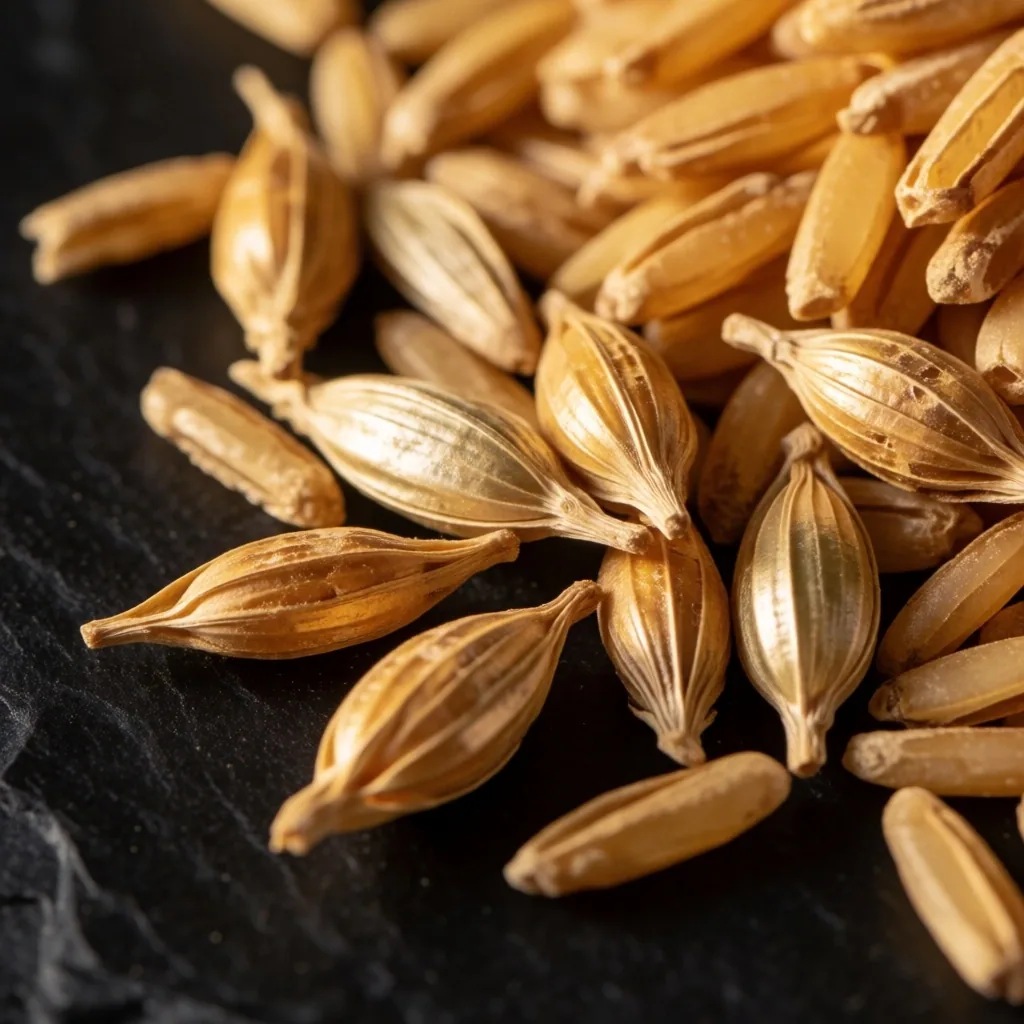
Many men do not consume enough magnesium-rich foods such as pumpkin seeds, almonds, dark leafy greens, and whole grains. Low intake can show up as persistent fatigue, muscle tension that does not resolve with stretching, and a sense of restlessness that interferes with sleep quality. Because the body depletes magnesium through sweat, physically active men are particularly vulnerable to running short.
Supplementing with bioavailable forms like magnesium glycinate can help support a calm nervous system and improve recovery after physical activity. Glycinate is generally well tolerated and less likely to cause digestive discomfort than other forms. Taking it in the evening aligns with the body's natural recovery cycle, when muscles relax and the nervous system shifts toward rest.

Dietary Source
Seeds, nuts, leafy greens
The B-Vitamin Complex and Energy
The B-family of vitamins, including B6, B12, and Folic Acid, are essential for converting food into usable energy. They are also vital for the production of red blood cells and the maintenance of the myelin sheath that protects nerves. Without adequate B vitamins, the carbohydrates and fats you eat cannot be efficiently transformed into the ATP that powers every cell.
A deficiency in B12, in particular, can lead to noticeable drops in energy and cognitive sharpness. B12 is found almost exclusively in animal products — meat, fish, eggs, and dairy — so men who eat limited animal protein may benefit from closer attention to their intake. Folic Acid works alongside B12 in red blood cell formation, and B6 participates in amino acid metabolism and neurotransmitter synthesis.
Because B vitamins are water-soluble, the body does not store them in significant quantities. Any excess leaves through urine, which means consistent daily intake matters more than occasional large doses. A balanced B-complex supplement can help cover gaps, particularly for men with demanding schedules who may not always eat a varied diet.
Vitamin D3: The Sunshine Nutrient
Vitamin D3 acts more like a hormone than a vitamin, influencing everything from bone density to immune response. For men in urban environments like Jakarta, getting enough natural sunlight can be a challenge despite the tropical climate. Office interiors, commuting, and indoor routines limit direct skin exposure to UVB rays, which is how the body synthesizes D3 naturally.
D3 is crucial for the absorption of calcium and plays a role in maintaining healthy muscle mass. It also supports the immune system's ability to respond to seasonal challenges. Combining D3 with Vitamin K2 is increasingly recommended, as K2 helps direct calcium toward bones and teeth rather than allowing it to accumulate in blood vessels, supporting vascular health.
Maintaining optimal D3 levels is a year-round commitment, not a winter-only concern. Regular short exposures to direct sunlight — fifteen to twenty minutes on exposed arms and legs — remain the most efficient way to support natural production. When sunlight is inconsistent, a D3 supplement derived from lanolin or lichen provides a reliable alternative.
Zinc for Cellular Health
Zinc is a trace mineral that is highly concentrated in the male body, particularly in the reproductive and immune systems. It is necessary for protein synthesis and cellular division, making it a cornerstone for growth and repair. Every time your body builds new tissue — whether after exercise, a minor wound, or routine cellular turnover — zinc is involved in the process.
Regular physical exertion can deplete zinc levels through sweat, necessitating a consistent intake through diet or supplementation. Oysters, beef, pumpkin seeds, and chickpeas are among the richest dietary sources. For men who train hard or work outdoors in humid climates, the loss through perspiration can be meaningful enough to warrant attention.
Zinc supports the body's natural defense mechanisms and daily vitality. It works closely with Vitamin C and selenium in managing oxidative stress, and maintaining adequate levels helps sustain the structural integrity of skin and connective tissue. A modest daily intake — typically 11 to 15 milligrams for adult men — covers baseline needs when dietary sources fall short.
Antioxidants: Vitamin C and E
Oxidative stress is a natural byproduct of metabolism and environmental exposure, but it can damage cells if left unchecked. Every time your body converts oxygen into energy, a small number of unstable molecules — free radicals — are generated. Pollution, UV radiation, and intense physical activity increase their production. Over time, accumulated oxidative damage contributes to cellular aging.
Vitamins C and E are powerful antioxidants that neutralize free radicals, protecting tissues from premature aging. Vitamin C is water-soluble and works primarily in bodily fluids and cell interiors. It is also essential for collagen production, which supports joint and skin health. Vitamin E is fat-soluble, meaning it protects cell membranes and other lipid structures from oxidative damage.
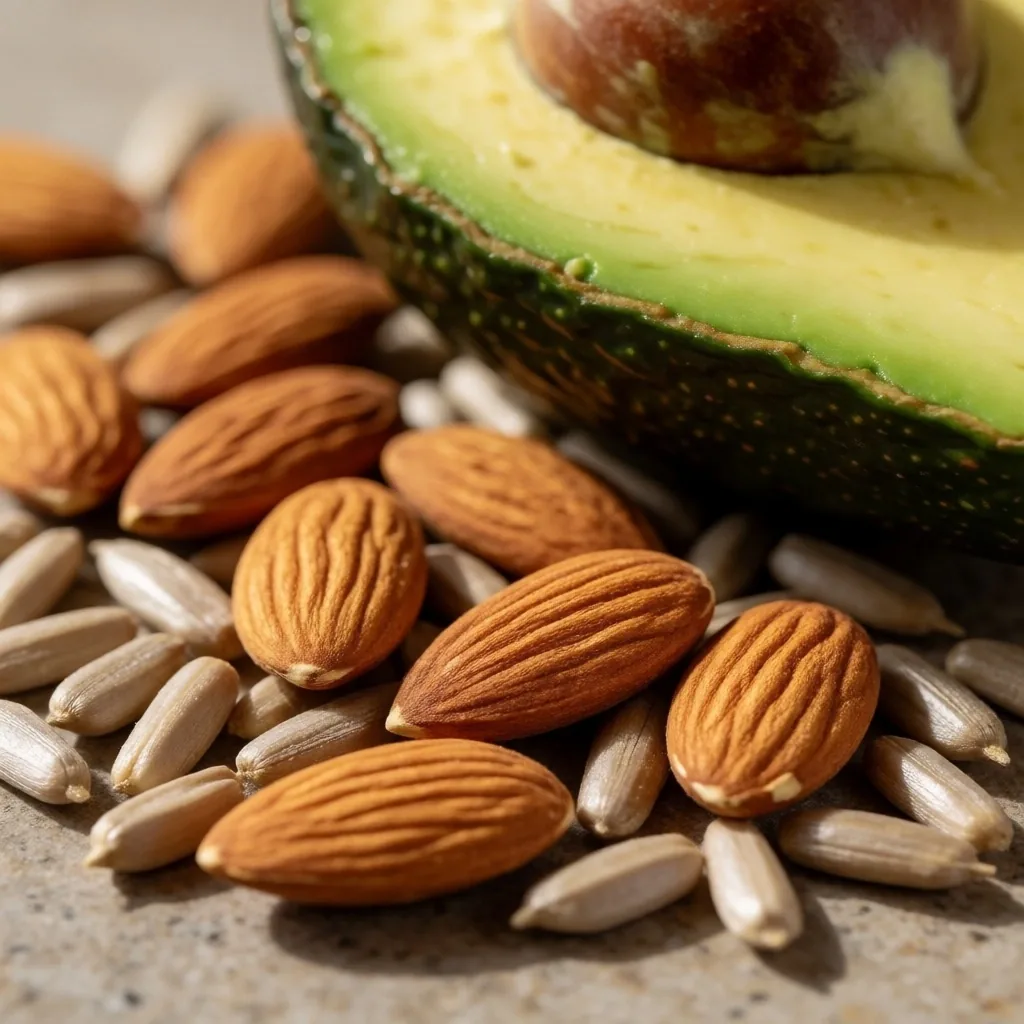
A balanced intake of these vitamins provides a protective shield for your body's internal systems. Citrus fruits, berries, kiwi, and bell peppers are excellent sources of Vitamin C. Almonds, sunflower seeds, spinach, and avocado deliver Vitamin E. The two vitamins work synergistically — when Vitamin C neutralizes a free radical, it becomes inactive, and Vitamin E helps regenerate it, extending its protective capacity.
Bone Integrity and Essential Fatty Acids
Two nutrients that are often overlooked in men's wellness conversations deserve dedicated attention: calcium for structural integrity and omega-3 fatty acids for cognitive and cardiovascular support. Both play distinct but equally important roles in long-term resilience.
Calcium and Bone Integrity
While often associated with other demographics, bone health is equally important for men, especially as they age. Calcium is the primary structural component of bones and teeth, but it also facilitates muscle contractions and blood clotting. Without adequate calcium, the body draws from its skeletal reserves, gradually weakening the frame over time.
Ensuring adequate calcium intake, balanced with magnesium and Vitamin D, is essential for maintaining a strong skeletal frame. Vitamin D enables absorption, while magnesium helps regulate where calcium is deposited. Dairy products, sardines with bones, kale, and fortified plant milks are practical dietary sources.
Integrating calcium effectively means pairing it with the nutrients that help the body use it properly, rather than increasing intake in isolation. A consistent, moderate approach serves long-term skeletal health better than sporadic high doses.
Omega-3 Fatty Acids
Though technically a fa and not a vitamin, Omega-3s are essential nutrients that the body cannot produce on its own. Found in fish oil and flaxseed, these fatty acids are crucial for heart health and cognitive function. They help manage inflammation and support the structural integrity of brain cells, which are largely composed of fa tissue.
The two most studied forms — EPA and DHA — each serve distinct roles. EPA is associated with managing inflammatory responses and supporting mood stability. DHA is a primary structural component of the brain and retina, making it particularly relevant for men who want to maintain a sharp mind and steady focus over the long term.
For men who eat fish two to three times per week, dietary intake may be sufficient. When that is not practical, a high-quality fish oil or algae-derived supplement provides a reliable alternative. Storage matters — Omega-3s are fragile and benefit from cool, dark conditions to prevent oxidation.

Selenium and Metabolic Support
Selenium is a potent trace mineral that supports thyroid function and protects the body from heavy metal toxicity. The thyroid gland concentrates more selenium per gram of tissue than any other organ, and it depends on this mineral to produce and regulate the hormones that govern metabolic rate. A well-functioning thyroid directly influences how efficiently your body converts food into energy and maintains a stable internal temperature.
Selenium works in tandem with Vitamin E to enhance antioxidant activity within the cells. Together, they form a defense network that protects cell membranes from the cumulative damage of oxidative stress. This partnership is one of the clearest examples of why single-nutrient thinking falls short — vitamins and minerals function as interconnected systems, not isolated actors.
Because the selenium content of food depends heavily on soil quality, dietary intake varies significantly depending on where crops are grown. Brazil nuts are the most concentrated natural source — a single nut can contain enough selenium to meet daily requirements. Supplementation can be a reliable way to ensure consistent intake, particularly in regions where soil selenium levels are known to be low. As with all trace minerals, more is not better; consistent modest intake is the goal.
| Nutrient | Primary Role | Food Sources | Type |
|---|---|---|---|
| Magnesium | Muscle relaxation, nerve function, energy production | Pumpkin seeds, almonds, spinach | Mineral |
| B-Complex | Energy conversion, red blood cell production | Whole grains, eggs, meat, legumes | Water-soluble |
| Vitamin D3 | Calcium absorption, immune response, muscle mass | Sunlight, fatty fish, fortified foods | Fat-soluble |
| Zinc | Protein synthesis, cellular division, immune defense | Oysters, beef, pumpkin seeds, chickpeas | Trace mineral |
| Vitamin C | Antioxidant, collagen production, immune support | Citrus, berries, kiwi, bell peppers | Water-soluble |
| Vitamin E | Cell membrane protection, antioxidant | Almonds, sunflower seeds, spinach, avocado | Fat-soluble |
| Calcium | Bone structure, muscle contraction, blood clotting | Dairy, sardines, kale, fortified plant milks | Mineral |
| Omega-3 | Heart health, cognitive function, inflammation | Fatty fish, flaxseed, chia seeds, walnuts | Essential fa |
| Selenium | Thyroid support, antioxidant, heavy metal defense | Brazil nuts, fish, eggs, brown rice | Trace mineral |
This reference table summarizes the nutrients covered in this guide. Individual needs vary based on activity level, age, diet, and environment. The dietary sources listed represent common options — variety across food groups remains the most reliable strategy for covering your baseline.
Practical questions about daily vitamins and minerals
Can I get all essential vitamins from food alone?
A well-planned diet that includes a wide variety of whole foods — vegetables, fruits, whole grains, nuts, seeds, fish, and lean protein — can meet most men's baseline vitamin and mineral needs. However, consistent gaps are common in practice. Limited sun exposure reduces natural Vitamin D3 production, while soil depletion can affect the selenium and magnesium content of crops. A supplement can serve as a practical safety net when dietary variety is difficult to maintain, but it should complement rather than replace a balanced approach to eating.
What is the difference between water-soluble and fat-soluble vitamins?
Water-soluble vitamins — the B-complex family and Vitamin C — dissolve in bodily fluids and are not stored in significant amounts. Any excess is excreted through urine, so daily intake matters. Fat-soluble vitamins — A, D, E, and K — are absorbed alongside dietary fa and stored in the liver and fatty tissues. Because the body retains them, consistent high doses are unnecessary and, in some cases, counterproductive. This distinction affects how you time supplementation: fat-soluble vitamins are best taken with a meal containing some dietary fa.
When is the best time to take a multivitamin?
Morning with a meal is a practical starting point for most men. Food improves the absorption of fat-soluble vitamins and reduces the chance of digestive discomfort from certain minerals. Some nutrients have specific timing preferences: magnesium glycinate is often better suited to the evening because of its calming effect on the nervous system, while B vitamins — which participate in energy metabolism — are generally taken earlier in the day. Consistency at roughly the same time each day matters more than perfect timing.
Are natural food sources better than supplements?
Whole foods deliver nutrients in their natural matrix, which includes fiber, complementary compounds, and cofactors that support absorption and utilization. A piece of fruit provides Vitamin C alongside flavonoids that may extend its antioxidant effect. This complexity is difficult to replicate in a supplement. That said, when dietary intake is consistently low for a specific nutrient — as is common with Vitamin D3, magnesium, and omega-3s — a well-formulated supplement provides a reliable way to close the gap. The goal is to use supplements thoughtfully, not as a substitute for a varied diet.
How long does it take to notice a difference?
The timeline depends on the nutrient, your starting levels, and how consistently you maintain intake. Water-soluble vitamins like B12 may produce noticeable changes in energy within a few weeks if you were meaningfully low. Fat-soluble vitamins and minerals like magnesium, zinc, and selenium tend to build more gradually, with changes becoming apparent over one to three months of consistent intake. The body prioritizes stability over speed — sustained, moderate intake produces more reliable outcomes than occasional large doses. If you have specific concerns about your nutrient levels, consulting a qualified nutrition professional can provide personalized guidance.
Take the next step in building your wellness foundation
Understanding which vitamins and minerals your body needs is the first step. The next is learning how to evaluate supplement quality, how natural ingredients complement essential nutrients, and how to build a daily routine that fits your lifestyle. Explore the resources below to continue.
Related Resources
Office
Jl. Pluit Karang Karya Blok B,
Penjaringan, Jakarta Utara, 14450
Contact
Hours
Monday — Friday
09:00 — 18:00 WIB
The information on this page is provided for educational purposes and reflects general nutritional science. Manfaat Pria does not sell pharmaceutical products. Dietary supplements are intended to supplement the diet and are not a substitute for a varied and balanced diet or a healthy lifestyle. If you have specific wellness concerns, consult a qualified nutrition professional before making changes to your routine.