
Frequently Asked Questions About Natural Wellness
Navigating the world of vitamins and herbal supplements often leads to many questions. Whether you are wondering about the best time to take your minerals or how long it takes to feel the effects of an adaptogen, we are here to help. This FAQ addresses common inquiries we receive at Manfaat Pria — clear, direct answers that help you refine your wellness routine and use natural supplements with confidence.
Six topics, practical answers
The questions below cover the everyday concerns men raise when starting or refining a supplement routine — when to take each nutrient, what format to choose, how to store ingredients properly, and what to expect over time. Each answer draws on established nutritional science and the ingredient guides published elsewhere on this site. If your specific situation is not covered here, the Contact page connects you directly to our editorial team.
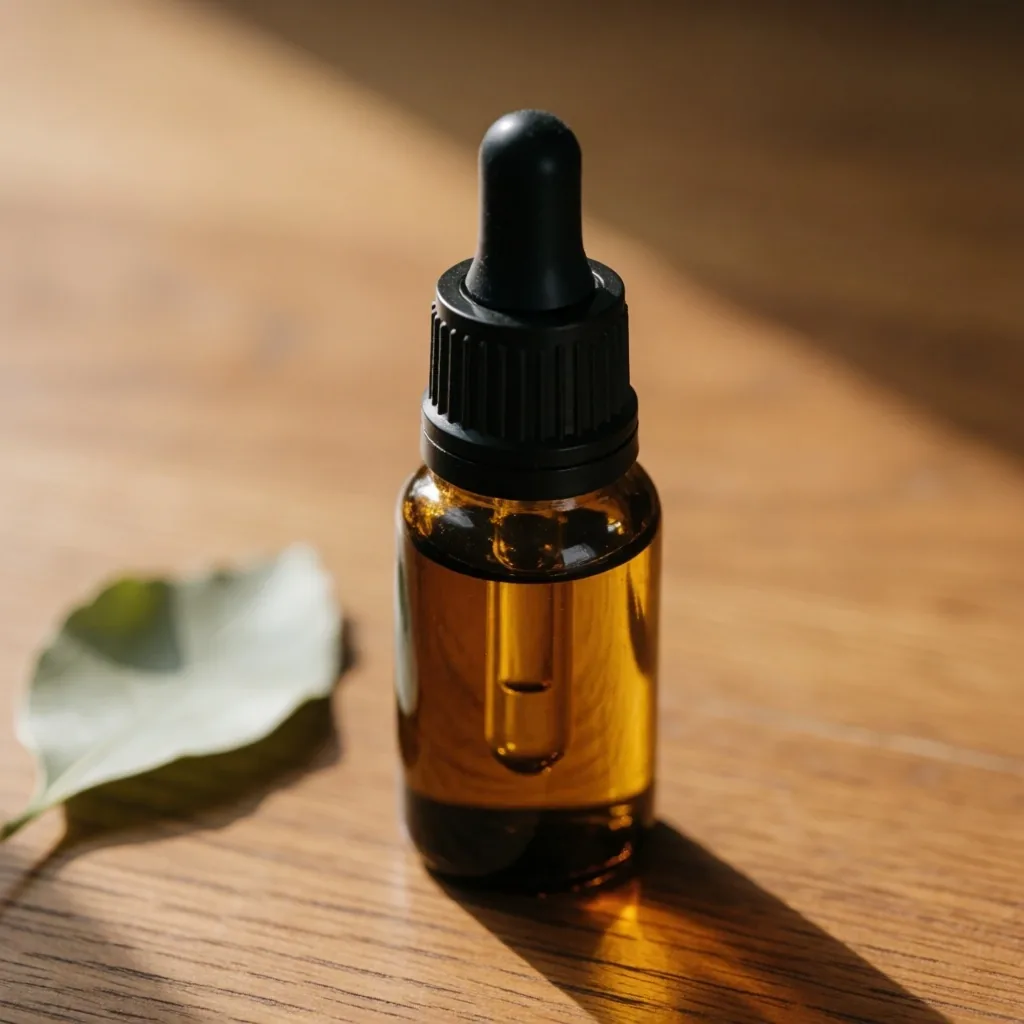
Fig. A — Format and timing
Understanding Timing and Absorption
Is there a specific time of day I should take my supplements?
Timing depends largely on the type of nutrient. Fat-soluble vitamins — A, D, E, and K — should always be taken with a meal containing healthy fats to ensure proper absorption. B-vitamins are often best taken in the morning because they support energy production pathways, while magnesium can be beneficial in the evening to promote relaxation and restful sleep. Always check the specific guidance for each ingredient to maximize its effectiveness, and avoid taking stimulating herbs late in the day.
Setting Realistic Expectations
How long does it take to see results from natural supplements?
Natural supplements work by gradually supporting the body's systems rather than forcing an immediate response. For vitamins, it may take four to eight weeks to correct a deficiency and feel a noticeable change in energy or focus. For herbal adaptogens like Ashwagandha, many men report feeling more balanced within two to four weeks of consistent daily use. Consistency is the single most important factor in seeing long-term results — skipping days or cycling on and off slows progress significantly.
- a. Vitamins: 4–8 weeks to feel a shift
- b. Adaptogens: 2–4 weeks of daily use
- c. Consistency matters more than dose
Safety and Interactions
Can I take multiple herbal supplements at the same time?
Many herbs can be taken together, and some combinations are formulated specifically to work in synergy. However, it is important not to overwhelm your system by introducing several new ingredients on the same day. We recommend starting one new supplement at a time so you can monitor how your body responds over the first week. If you are already taking other supplements, consult the detailed ingredient guides on our site to ensure there are no overlapping effects that might be counterproductive.
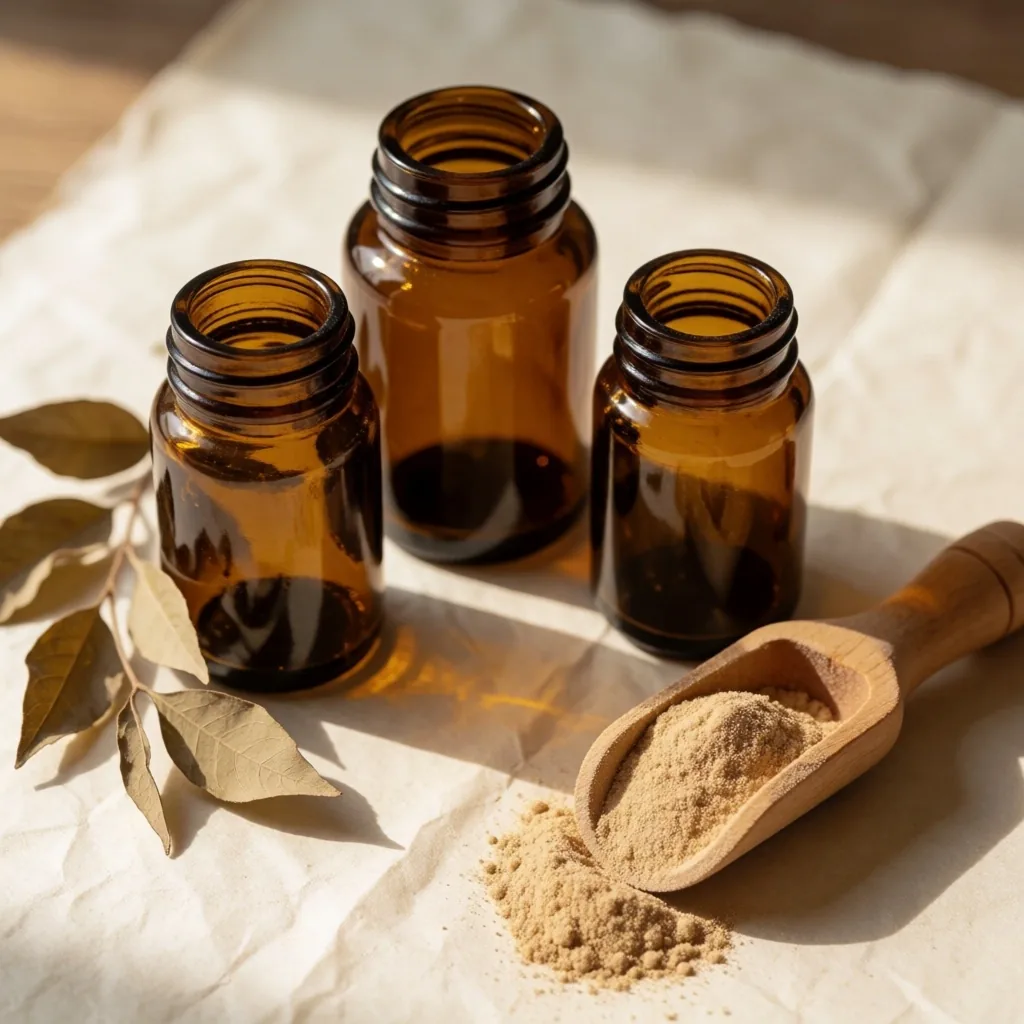
Fig. B — Stacking ingredients
Choosing Between Forms
Are liquid supplements better than capsules or powders?
No single format is universally better. Each has trade-offs that matter depending on the ingredient and your daily routine.
Liquid
May be absorbed faster than other formats. Often has a shorter shelf life once opened and may contain added sweeteners or preservatives to improve taste. Useful for people who have difficulty swallowing capsules.
Capsule
Convenient, portable, and protects sensitive ingredients from stomach acid. Allows precise dosing without taste concerns. The outer shell may be plant-based or gelatin — check the label if that matters to you.
Powder
Excellent for high-dose ingredients like Maca or protein where multiple capsules would be impractical. Easy to mix into smoothies or water. Cost-effective for larger servings but requires measuring.
The best format is the one you find easiest to take consistently every day. A supplement only works if you actually use it, so choose based on your lifestyle rather than perceived superiority.
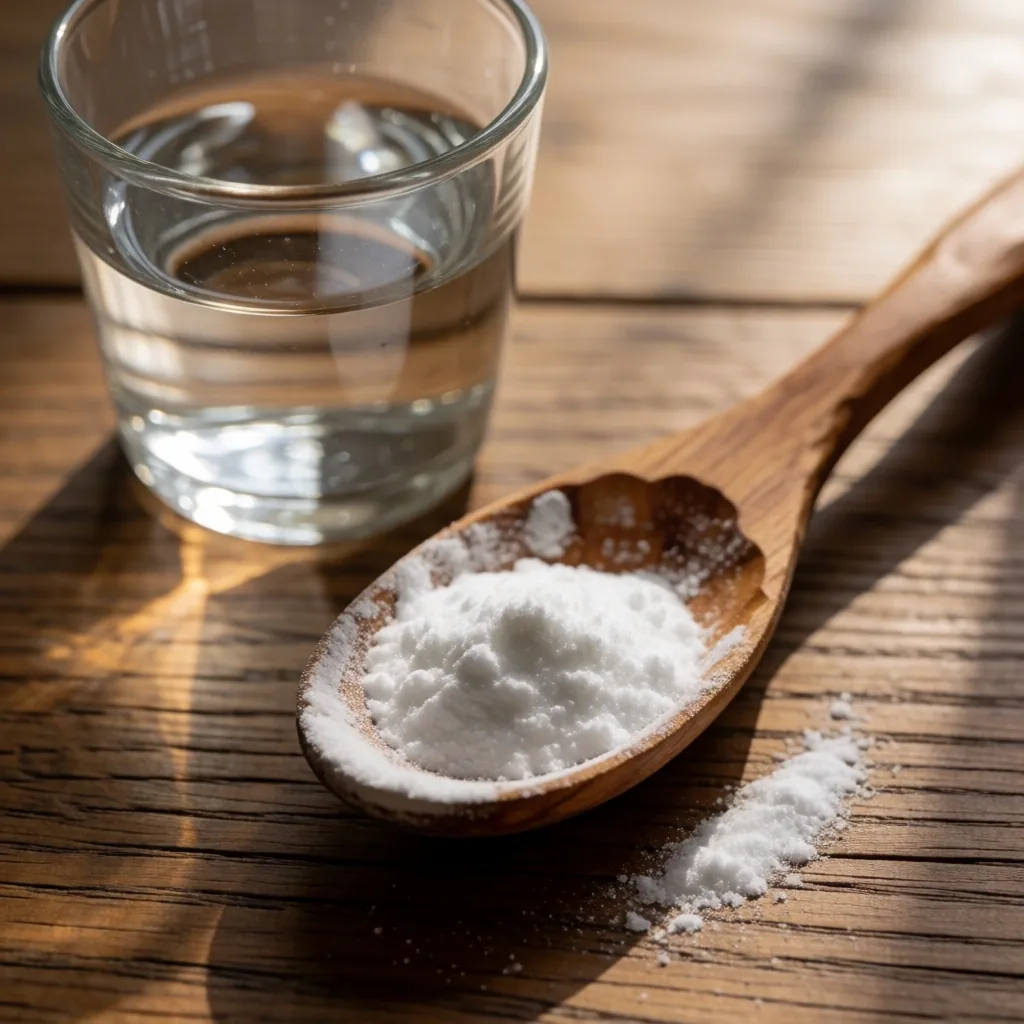
Fig. C — Taking with food
Managing Side Effects
What should I do if a supplement upsets my stomach?
Many supplements, especially minerals like zinc or iron, can cause mild nausea if taken on an empty stomach. Try taking them halfway through a substantial meal rather than before or after eating. If the discomfort persists, consider a different form of the nutrient — a buffered Vitamin C rather than ascorbic acid, or a chelated mineral rather than a basic oxide form. Always listen to your body and adjust dosage or timing as needed.
This information is educational and not a substitute for personalised advice from a qualified health professional. If discomfort is severe or persistent, stop taking the supplement and consult someone qualified to assess your situation.
Storage and Potency
How should I store my vitamins to keep them fresh?
Heat, light, and moisture are the enemies of supplement potency. Most vitamins and herbs should be stored in a cool, dry, and dark place — away from the bathroom cabinet or the kitchen stove where humidity and temperature fluctuate daily. Some specific oils, like high-quality fish oil, may require refrigeration to prevent oxidation and rancidity. Keeping lids tightly sealed and storing bottles away from direct sunlight will ensure the active ingredients remain effective until the expiration date printed on the packaging.
- a. Keep bottles in a cool, dry, dark cupboard
- b. Avoid bathroom and kitchen-stove areas
- c. Refrigerate fish oil and fragile liquid oils
- d. Seal lids tightly after each use
Still have a question?
If your question is not covered above, our editorial team is happy to help. Reach out by email or phone during weekday hours, and we will point you toward the right ingredient guide, wellness article, or selection criterion on this site.
Jl. Pluit Karang Karya Blok B
Penjaringan, Jakarta Utara
14450
Mon–Fri: 09:00–18:00 WIB